Best Areas to Stay in Costa Rica: First-Timer's Guide

Updated: Sep 25
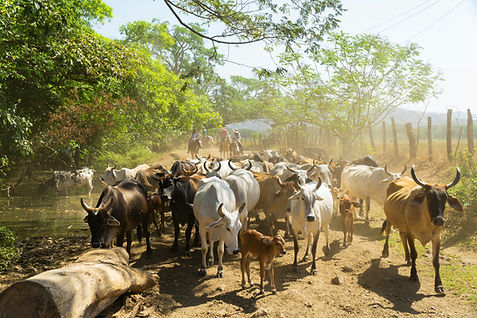
The most common question I get from first-time visitors is also the hardest one to answer without knowing more about you: where should I stay?
There's no single right answer. Costa Rica doesn't have one best base. It has regions, each with its own character, its own climate, its own rhythm. The question isn't which one is best. It's which ones belong together for the kind of trip you actually want.
Here's how I think through it for first-time visitors, and what I usually end up recommending.
Start Here: What Does Your Trip Need to Feel Like
Before you look at a map, think about the experience you're after. Some travelers want to wake up with movement: guided hikes, waterfalls, wildlife experiences built into their days. Others want to arrive somewhere and exhale, spend time on the water, with fewer decisions to make.
Most first-timers do well with a combination: an inland nature destination followed by a coastal one. That structure creates natural variety and a satisfying rhythm. You move from something active and immersive to something more relaxed, and the transition between the two usually involves scenery that's worth the drive.
One practical note before the regions: almost every first-time visitor flies into Juan Santamaría International Airport (SJO) near San José, in the Central Valley. San José works as a landing point rather than a destination. I usually have clients spend the first night nearby, then head to their first region the next morning when they're rested and the drive feels easier.
Arenal and La Fortuna: The Most Reliable Starting Point
I recommend La Fortuna as a starting point for most first-time visitors, and the reason is simple: it delivers on everything people imagine when they picture Costa Rica. The Arenal volcano is a constant presence, visible on clear mornings from the road, from the lodge terrace, from the edge of the natural hot springs you'll probably spend an evening in. The surrounding area has hanging bridges through the rainforest canopy, zip lining above it, wildlife tours along the river, and waterfall hikes that feel genuinely earned.
It's structured enough to navigate easily and wild enough to feel real. For a first trip, that balance matters. You have access to guides who know the area deeply and vetted local operators who run the kinds of experiences that make the difference between seeing nature and feeling like you're inside it.
Plan three to four nights here. That's enough time to do the main experiences without rushing, with a day or two to slow down if you choose.
Manuel Antonio: For First-Timers Who Want Beach and Wildlife Together
Manuel Antonio is the most visited region in Costa Rica for a reason: it offers something genuinely unusual. A national park where the wildlife and the beach overlap. Monkeys move through the trees at the edge of the sand. Sloths hang in plain view along the main trail. You can spend the morning hiking and the afternoon on the water, and the logistics between both are minimal.
A few things first-time visitors should know before choosing it as their coastal stop. Most hotels in the area are not on the beach. The property you're looking at is likely on a hillside, which is beautiful, but getting to the water involves a drive or a walk. The only truly beachfront access is inside the national park itself. There are a small number of properties outside the park with direct beach access, but they sit at a higher price point.
It's also one of the busier regions. Go early in the morning, before the main tour groups fill the park paths, and Manuel Antonio rewards that effort considerably.
If you are trying to figure out which of these regions actually fits the trip you want, that is the exact conversation I have on a free consultation call. I will tell you honestly which combination makes sense for your dates and your group.
Guanacaste: For First-Timers Who Prioritize Beach and Easy Access
If your priority is straightforward beach time with minimal complexity, and you're flying into Liberia, Guanacaste is a natural choice. The Pacific coast here is dry and sunny during peak season, the airport is close, and there's a wide range of accommodations from large international-style resorts to smaller boutique properties in quieter coastal areas.
The area around Flamingo, Potrero, and Hermosa feels calmer than Tamarindo and tends to attract families and couples who want an easy pace and reliable water conditions. Tamarindo has more social energy, which works for some travelers.
One thing to plan for: Guanacaste is farther from the inland nature regions than most travelers expect. If your itinerary includes La Fortuna or the Monteverde cloud forest alongside beach time, combining Guanacaste as your coastal stop adds significant drive time. For beach-focused trips or first-time visitors who want a relaxed introduction to Costa Rica, it's an excellent fit.
Regions I Usually Save for a Return Trip
Costa Rica packs a lot of variety into a small footprint by Central America standards, and part of planning well is knowing what to leave for next time. The Nicoya Peninsula, with surf towns like Santa Teresa and Nosara, rewards travelers who want a slower, more independent pace. The Osa Peninsula and Drake Bay, down on the southern Pacific Ocean, hold the country's most intense wildlife, but they take real time and effort to reach. For a first trip of seven to ten days, adding them usually means rushing everything else. They are worth it. They are just better on a second visit, once you already know how the country moves.
How to Combine These for a 7 to 10 Day Trip
Two combinations I return to most for first-time visitors:
Arenal plus Manuel Antonio: inland nature followed by the Pacific coast. You get the volcano, the hot springs, the rainforest, then you move to wildlife and beach time. The drive between the two is scenic and manageable.
Arenal plus Guanacaste: if beach time is the priority and you want reliable sun, this works well. The drive from La Fortuna to Guanacaste covers varied terrain and gives you a real sense of the country's scale.
Both combinations give you variety without overcomplicating the logistics. Both leave room for the moments that make a trip feel like a trip: mornings where you have nowhere you need to be, afternoons that go longer than planned because the place was worth it.

A Note on Timing
If you're visiting during Costa Rica's dry season, December through April, most regions are accessible and weather is predictable. Peak season runs December through January and brings higher prices and more competition for good accommodations. Booking four to six months in advance is worth it.
The green season, May through November, gets a bad reputation it doesn't fully deserve. Mornings are often clear and beautiful. Afternoon rain is common but usually warm and brief. The landscape is deeply green, Costa Rican wildlife is active, and rates are often better. For first-time visitors with flexible dates, late May or October can
If the Arenal and Manuel Antonio combination sounds right, and you'd want Monteverde folded in too, the nine-day itinerary guide walks through exactly how the timing works, day by day be ideal windows.
Once you have a sense of where you want to go, the next step is figuring out how it all fits together: drive times, pacing, and what each region is actually like to stay in. Book a free consultation call and we can work through it.
"Ari worked so patiently with us as we developed our trip, making sure to take into account our wants and still stay within our budget, and ensuring no detail was left out.”
— Chad Hutson, verified Google and Trustpilot review

I'm Ariana, a Costa Rican travel designer and founder of Kajaari Adventures. I grew up in Costa Rica and have spent years planning trips for families and couples who want to experience this country the way it actually is. Every itinerary I build starts with a conversation about what kind of days you want to have. I'd be glad to have that conversation with you.

Comments