Where to Stay in Costa Rica: A Local's Take

Updated: Aug 21

Growing up in Costa Rica, I never thought about where to stay in terms of ratings or airport proximity. I thought about how a place felt at 6am when the birds started, whether you could hear the river from your bed, whether the kind of quiet a place offered was the kind you actually wanted.
That's still how I think about it when I'm building someone's trip. Deciding where to stay in Costa Rica is genuinely one of the most important decisions you will make, and it shapes far more than just your hotel. Before I recommend anything, I come back to one question: what kind of experience do you want to wake up inside?
Costa Rica is not a destination where you move through cities. You move through environments: rainforest, volcano, cloud forest, coast. Each one shapes your days completely differently. The goal is not to see as many as possible. It's to choose two or three that belong together, that create a trip with a real rhythm rather than a rushed itinerary.
How to Think About Where to Stay in Costa Rica

Most travelers open a map, see that Costa Rica is a small country, and assume they can cover a lot of ground in a week. What they don't account for is what's between the dots: unpaved roads, mountain passes, a ferry crossing, regions where weather patterns add an hour to a drive that looks short on paper.
The travelers I see enjoy Costa Rica most are the ones who chose depth over distance. Two or three places with enough time to settle in, a rhythm that feels like vacation rather than logistics.
If you are weighing two or three of these regions against each other, a free consultation call is where I can help you land on the right one for your trip.
La Fortuna: If You Want Rainforest and Movement

La Fortuna is one of the most well-known inland destinations in Costa Rica, and it earns that reputation. The Arenal volcano anchors everything. It's visible from the road, from the hot springs, from the edge of the lodge pool if you're lucky with cloud cover. The area is well-structured for first-time visitors: waterfall hikes, wildlife tours, guided experiences that give you the rainforest without having to figure it out yourself.
I often start custom Costa Rica itineraries here because it's a good introduction. Active, but not remote. You can push yourself or take it slow. It works especially well for families where different ages need different options on the same day.
One thing to know: where exactly your hotel sits makes a real difference. Some properties are farther from the main activity corridor than they appear on a map. That distance can reshape your whole day. It's one of the first things I flag when looking at accommodations in this area.
The South Pacific: If You Want Something Quieter
The Osa Peninsula and the area around Uvita are the parts of Costa Rica I find myself recommending when someone says they want to feel like they're actually inside the rainforest, not looking at it from a viewing platform.
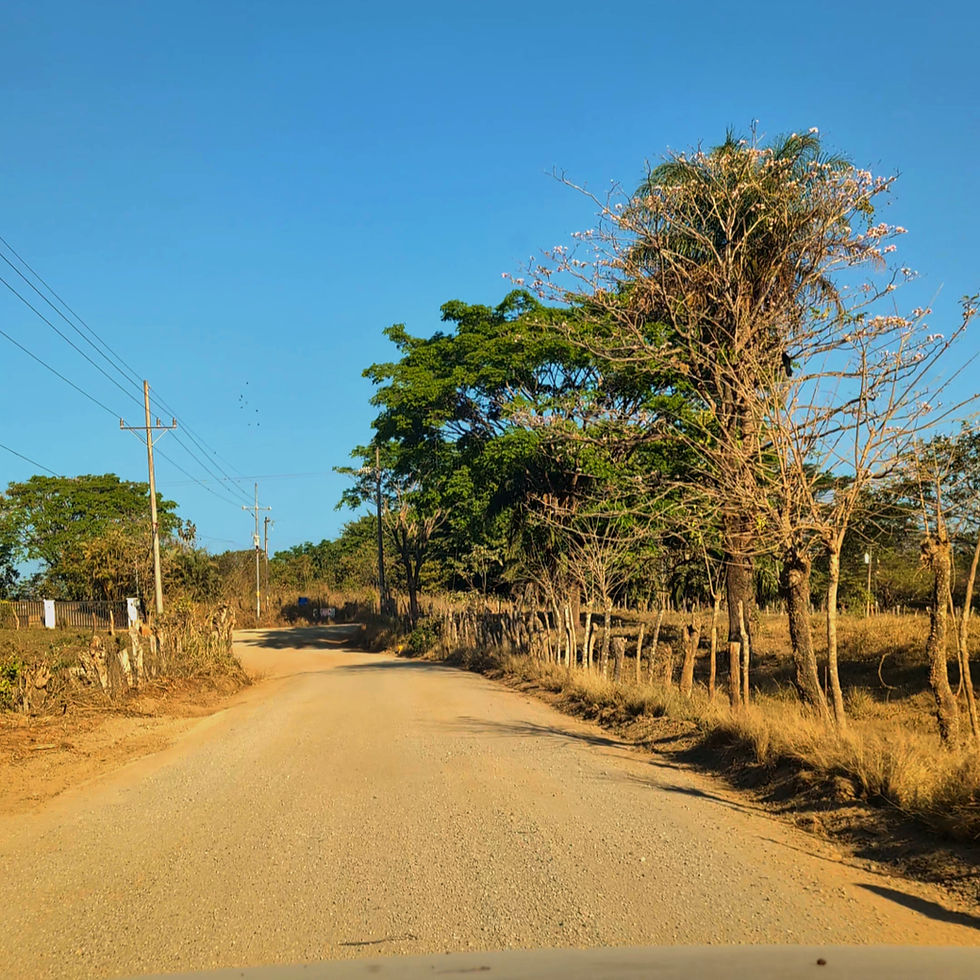
It takes longer to reach. The roads are rougher. The infrastructure is simpler. And for the right traveler, all of that is the point. This is where you share the trail with scarlet macaws and tapirs, where the oceanfront lodges have twelve rooms and know your name by the second morning, where it rains hard in the afternoon and you are grateful for it because the air afterward is something else entirely.
It's not the right fit for everyone. But for travelers who value privacy and are willing to build extra travel time into the itinerary, it tends to be the part of the trip they talk about longest.
Guanacaste: If You Want Beach Access and Easy Logistics
If your flight lands in Liberia and your main goal is time at the beach, Guanacaste makes sense. The Pacific coast here is dry and sunny during peak season, the airport is close, and there's a wide range of accommodations from large resorts to smaller boutique properties tucked away from the main roads.
What I want travelers to understand before choosing it as a base: Guanacaste is farther from the rainforest interior than it looks on a map. La Fortuna is roughly four hours away. Rio Celeste is similar. If your itinerary includes both beach and inland nature, basing yourself here and adding those as day trips makes for very long days, and those drive times eat into the time you actually wanted to spend at the destination.
It's a good fit when the trip is primarily beach-focused, the stay is shorter, and you'd rather keep logistics simple than cover a lot of ground.

Manuel Antonio: If You Want Both, With Some Trade-offs

Manuel Antonio is the most-asked-about destination in Costa Rica, and I understand why. A national park where monkeys wander the path between the jungle and the beach sounds ideal, and in many ways it is. The wildlife is genuinely accessible. The park is small enough to cover in a morning. The combination of forest and ocean makes for beautiful light and easy variety.
The thing I tell every client planning to stay here: most hotels are not on the beach. The area is built along a hillside, and what looks like oceanfront in a listing photo often requires a drive or a walk to reach the water. The only true beachfront access is inside the national park itself. A small number of properties outside the park have direct access, but they sit at a higher price point.
It's also one of the busier regions. Go early and plan thoughtfully, and Manuel Antonio rewards that effort.
If the Arenal and Manuel Antonio combination sounds right, and you'd want Monteverde folded in too, the nine-day itinerary guide walks through exactly how the timing works, day by day.
A Simple Way to Structure Your Trip
For most travelers doing seven to ten nights, a combination of inland nature and coast creates the most satisfying rhythm. Three or four nights in La Fortuna followed by four or five nights in a coastal region gives variety without rushing. You have time to go deep in each place rather than skimming the surface of many.
The specific regions you combine depend on your travel style, your group, and the time of year. That conversation is something I work through with every client because the right answer genuinely varies.
Final thoughts
Where you stay in Costa Rica is not just a logistics question. It's a choice about what kind of days you want to have: what you hear in the morning, how far you are from what you came to see, how much of the country feels like yours rather than everyone else's.
That's what I think about most when I'm designing a trip. I'd be glad to think through it with you

I'm Ariana, a Costa Rican travel designer and founder of Kajaari Adventures. I grew up in Costa Rica and have spent years planning trips for families and couples who want to experience this country the way it actually is. Every itinerary I build starts with a conversation about what kind of days you want to have. I'd be glad to have that conversation with you. Start your custom Costa Rica planning here.

Comments