Sustainable Travel and Your Costa Rica Trip

Updated: Aug 21
When people ask me about sustainable travel, the first thing I try to clarify is what it doesn't mean. It doesn't mean camping. It doesn't mean forgoing comfort. It doesn't mean choosing the most obscure experience over the most rewarding one.
What it actually means, and what I think about when I'm building a trip for a client who cares about this, is choosing providers and experiences that put money back into the communities and ecosystems they're built around, rather than extracting from them.
Costa Rica has been doing this longer and more deliberately than almost anywhere else in the world. That's part of why I love planning trips here. The infrastructure for thoughtful travel exists. You just have to know how to read the signals.
What Makes Costa Rica a Real Leader in Sustainable Tourism
Costa Rica protects roughly 26% of its land in national parks and reserves, a deliberate constitutional commitment to conservation that has shaped how tourism developed here. The country's model of investing in biodiversity protection while building a tourism economy around it has been studied and replicated around the world.
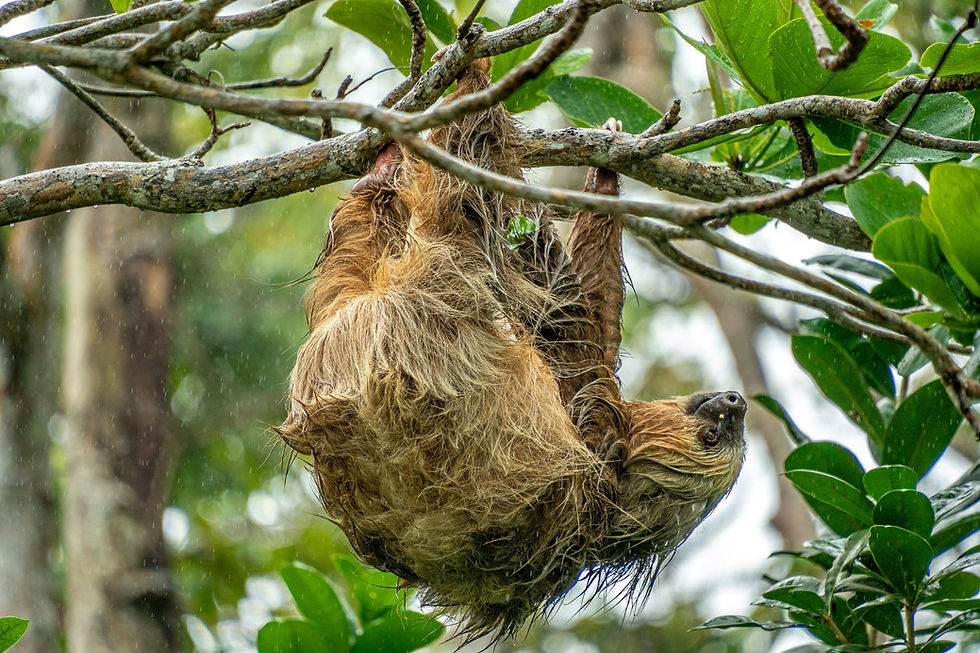
What that means for travelers: the wildlife here is genuinely wild. Corcovado National Park, on the Osa Peninsula, has been described by biologists as one of the most biologically intense places on earth. Walking its trails with a knowledgeable guide isn't a theme park experience. It's encountering animals that live there because the habitat was protected.
What Sustainable Accommodation Actually Looks Like
There are lodges in Costa Rica that use sustainability as marketing and lodges that have built their entire operation around it. The difference matters, and it's not always visible from a booking platform listing.
The properties I trust are ones where the practices are verifiable: third-party certifications like the Costa Rica Tourism Board's CST (Certificacion para la Sostenibilidad Turistica), visible composting and water systems, locally sourced food programs, and staff who live in the communities nearby. These aren't difficult to confirm if you know what questions to ask.
Greenwashing is real in travel, and Costa Rica isn't immune to it. A property that advertises eco-friendly practices without any certification or specifics is worth looking at more closely before you commit.
Community Tourism: Where It's Real

Community-based tourism, where the tour, the lodge, or the experience is owned and operated by the local community, exists in Costa Rica and is worth seeking out when it's genuine. Tortuguero is one example where conservation-based tourism has created real economic benefit for local residents. The sea turtle nesting season there draws visitors, and the programs built around it fund both conservation work and local livelihoods.
What I want to be honest about: not every tour that promises a local experience actually delivers on that in a meaningful way. Evaluating what you're actually supporting takes some research. The vetted local operators I work with have that track record, and it's something I look into before recommending anything.
The Green Season: An Underrated Time to Visit
May through November is Costa Rica's rainy season, and it gets a reputation that doesn't fully reflect the reality. Mornings are often clear and beautiful. Rain typically comes in the afternoon and passes. The landscape is intensely green: rivers are full, waterfalls are at their peak, and the vegetation has a depth to it that dry season can't match.
Traveling during the green season means fewer people on the trails, better availability at the properties you actually want, and often significantly better rates. For travelers with flexibility in their dates, I often suggest this window, especially late May or October, which tend to have the best balance of conditions and value.
Food as Part of the Experience

One of the underappreciated dimensions of sustainable travel in Costa Rica is food. The country's culinary culture is rooted in local produce, and when you're eating at a lodge that sources from nearby farms, that connection is real, not decorative.
Gallo pinto at breakfast from a kitchen that's been making it the same way for twenty years is a different experience than a hotel buffet. Fresh ceviche at a small restaurant at the edge of a fishing village is a different experience than a hotel buffet. These moments are available throughout Costa Rica when the trip is designed around finding them rather than avoiding discomfort.
How I Think About This When Building a Trip
Sustainable travel isn't a separate category of trip. For me, it's a layer of consideration that runs through every decision I make when I'm designing an itinerary. Which operators actually support the communities they're built around? Which lodges have genuinely sustainable operations versus strong marketing? Where can I put a traveler that will show them Costa Rica at its most real?
Those questions have concrete answers if you know where to look, and they consistently lead to the trips people remember.

I'm Ariana, a Costa Rican travel designer and founder of Kajaari Adventures. I grew up in Costa Rica and have spent years planning trips for families and couples who want to experience this country the way it actually is. Every itinerary I build starts with a conversation about what kind of days you want to have. I'd be glad to have that conversation with you. Start your custom Costa Rica planning here.


Comments