Is Costa Rica Safe for Families? What to Know

Updated: Sep 25

Costa Rica is one of the destinations I feel most confident recommending to families. I've sent a lot of families here over the years, different ages, different comfort levels, different ideas of what a great trip means, and the consistent thing I hear when they come back is that it was easier than they expected and bigger than they imagined.
That combination, easy to navigate and deeply rewarding, is what makes Costa Rica so well-suited to family travel. But it's not effortless. Like any international trip, it rewards good planning. And the safety question, which is the one I get asked most often, deserves a real answer rather than a reassuring headline.
The Honest Answer: Yes, With Context
Costa Rica is widely considered one of the safest destinations in Latin America for international visitors. The country has been politically stable for decades, has no standing army, and has built much of its economy around tourism, which means the infrastructure for international families is genuinely well-developed in the main tourist regions.
Violent crime directed at tourists is rare. The more common issues are petty theft in crowded areas and the kinds of mistakes that happen when travelers are less careful than they'd be at home: leaving a bag visible in a car, walking alone after dark in unfamiliar areas, not securing valuables at the beach.
The precautions you'd take in any international destination apply here. The specific risks that come with more volatile destinations do not.
What Families Should Plan Carefully
Safety in Costa Rica for families is not primarily about crime. It's about logistics. The things that create difficult moments on family trips here are almost always planning failures, not safety incidents.
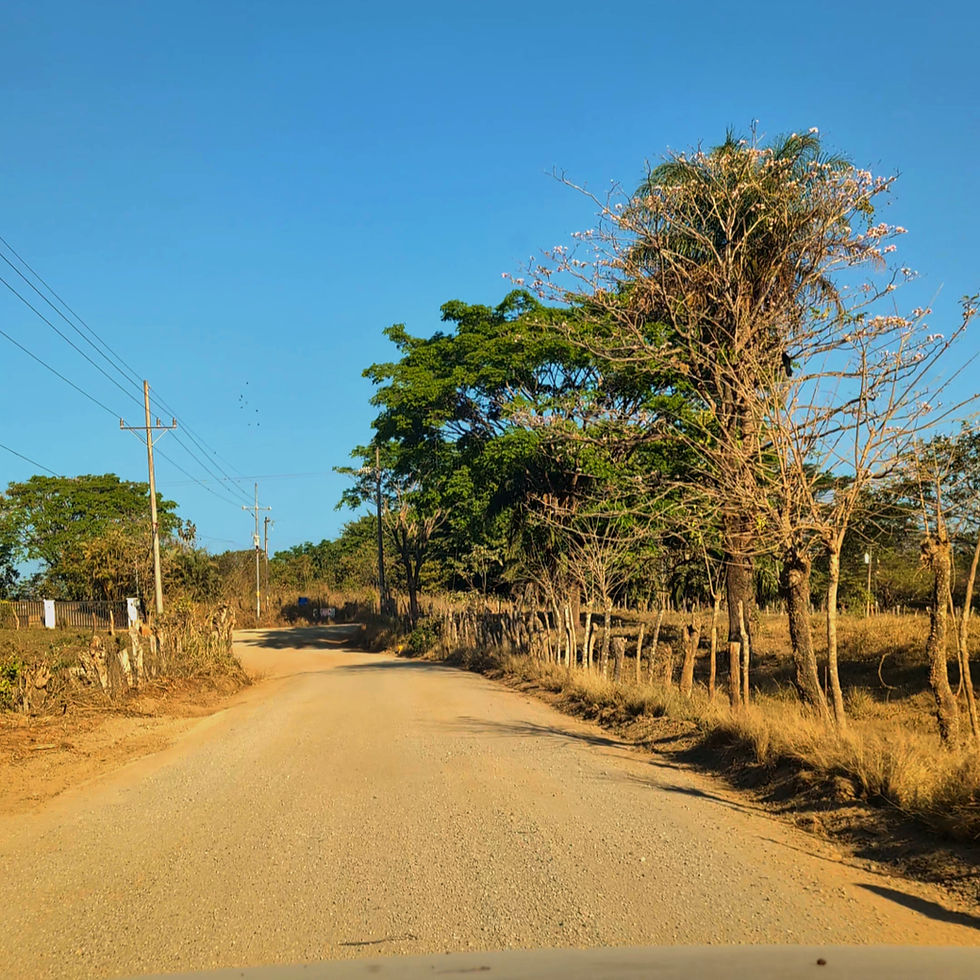
Road conditions. Travel times in Costa Rica are consistently longer than Google Maps suggests. Roads between regions can be winding and, in some areas, unpaved. Driving after dark adds risk, poor signage, limited visibility, and fewer people around if something goes wrong. I almost always recommend private transfers for families with young children, not because driving is dangerous, but because it removes a layer of decision-making and stress from everyone's day.
Ocean currents. Certain beaches in Costa Rica have strong currents that require attention. This isn't unique to Costa Rica, but it's important to know which beaches are well-suited to families with young swimmers and which require more caution. Beaches inside the national parks tend to have calmer conditions; open Pacific beaches can be rougher, particularly during the rainy season.
Activity matching. Not every adventure activity in Costa Rica is appropriate for every age. Zip-lining, white-water rafting, and some canopy tours have age and weight requirements. When I'm building a family itinerary, I look at what each child can participate in and build around the overlap: experiences everyone can share, rather than ones where half the group is waiting.
If you want a second opinion on your specific dates or the regions you are considering, that is exactly what a free consultation call is for.
What Makes Costa Rica Especially Good for Kids
Wildlife. I've planned a lot of trips for families, and I've found that children who are hard to impress in cities come alive in Costa Rica. The wildlife is accessible in a way that feels almost unreal. Sloths hanging at eye level from roadside trees, howler monkeys in the canopy above your breakfast table, sea turtles nesting at night on beaches with no light pollution. These aren't zoo experiences. They're genuinely wild, which is exactly why kids remember them.
Pacing. Costa Rica's best family itineraries build in the kind of time that makes nature actually feel natural. A morning guided walk that starts slowly and then delivers, a poison dart frog no larger than a thumbnail, a Jesus Christ lizard running across the water's surface, is more memorable than six activities crammed into one day. I push back gently on overpacked itineraries for families because I've seen what happens when there's room to wander: kids engage completely, and parents finally relax.
Conservation education. Many of the lodges and experiences I recommend for families have an educational layer built in. Guides who explain what they're seeing, programs connected to sea turtle conservation, properties where sustainable practices are visible and explainable. For families who want travel to mean something more than sightseeing, that dimension is genuinely available throughout Costa Rica.
A Note on Specific Regions
The main tourist regions, Arenal, Manuel Antonio, Guanacaste, Monteverde, all have well-established tourism infrastructure and are genuinely family-friendly. Private transfers are easy to arrange. Medical facilities, while not equivalent to major U.S. cities, are adequate for common travel situations in most areas. Remote regions like the Osa Peninsula are more isolated, which is part of their appeal. For families with very young children or anyone with significant medical needs, that distance from urban medical care is worth factoring in.
Practical Recommendations
Use private transfers rather than renting a car, especially with young children. The reduction in stress is significant. Book family-specific room configurations or connecting rooms well in advance, these fill quickly in peak season. Travel insurance that covers medical evacuation is worth having. Bring reef-safe sunscreen in quantity; it's available in Costa Rica but more expensive than at home. Pack binoculars. They transform wildlife experiences for kids in ways that feel dramatic but cost almost nothing.
Every family's comfort level is different, and the right answer depends on your kids' ages and where you are headed. I am happy to talk through your specific plan on a free call.
“Ari worked so patiently with us as we developed our trip, making sure to take into account our wants and still stay within our budget, and ensuring no detail was left out.”
— Chad Hutson, verified Google and Trustpilot review

I'm Ariana, a Costa Rican travel designer and founder of Kajaari Adventures. I grew up in Costa Rica and have spent years planning trips for families and couples who want to experience this country the way it actually is. Every itinerary I build starts with a conversation about what kind of days you want to have. I'd be glad to have that conversation with you.

Comments